
- The "new generation" AI peripheral blood morphology testing system from the German side has been launched with a bang!
Lead a new revolution in blood cell testing - Chongqing Defang 2022-08-25 12:10
A stunning debut! Provide auxiliary diagnostic basis to assist doctors in making precise diagnoses
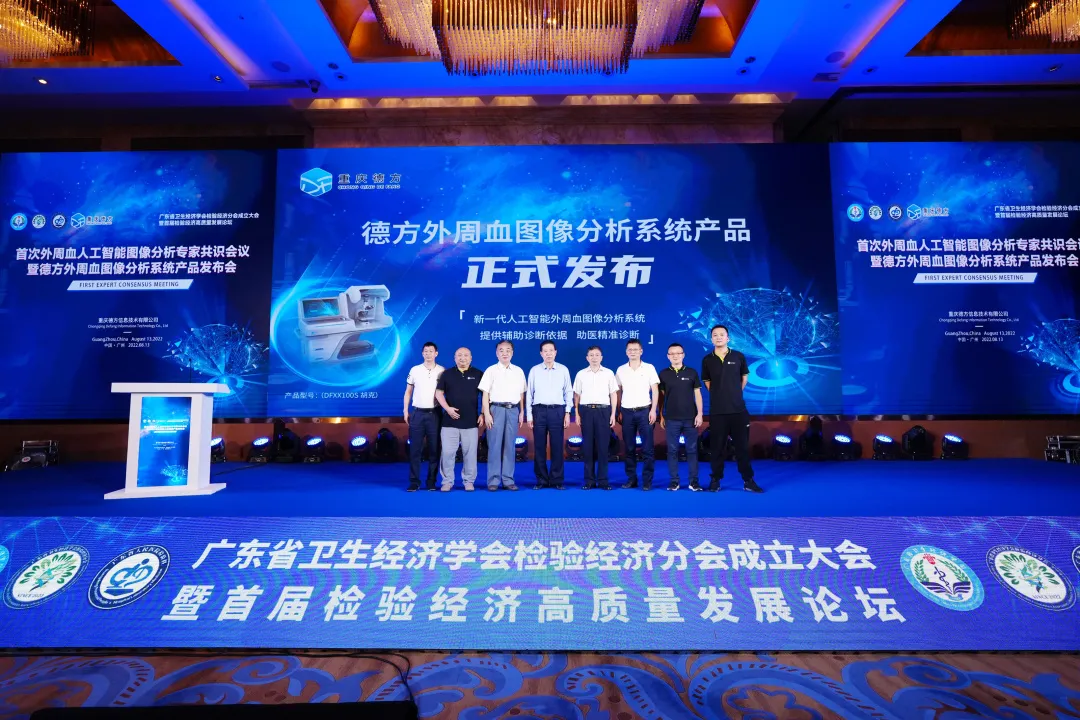
On August 13th, the first expert consensus meeting on peripheral blood artificial intelligence image analysis and the product launch event of the German peripheral blood image analysis system were held in Guangzhou. The conference was held against the backdrop of the founding conference of the Inspection Economics Branch of the Guangdong Health Economics Society and the first High-Quality Development Forum on Inspection Economics.
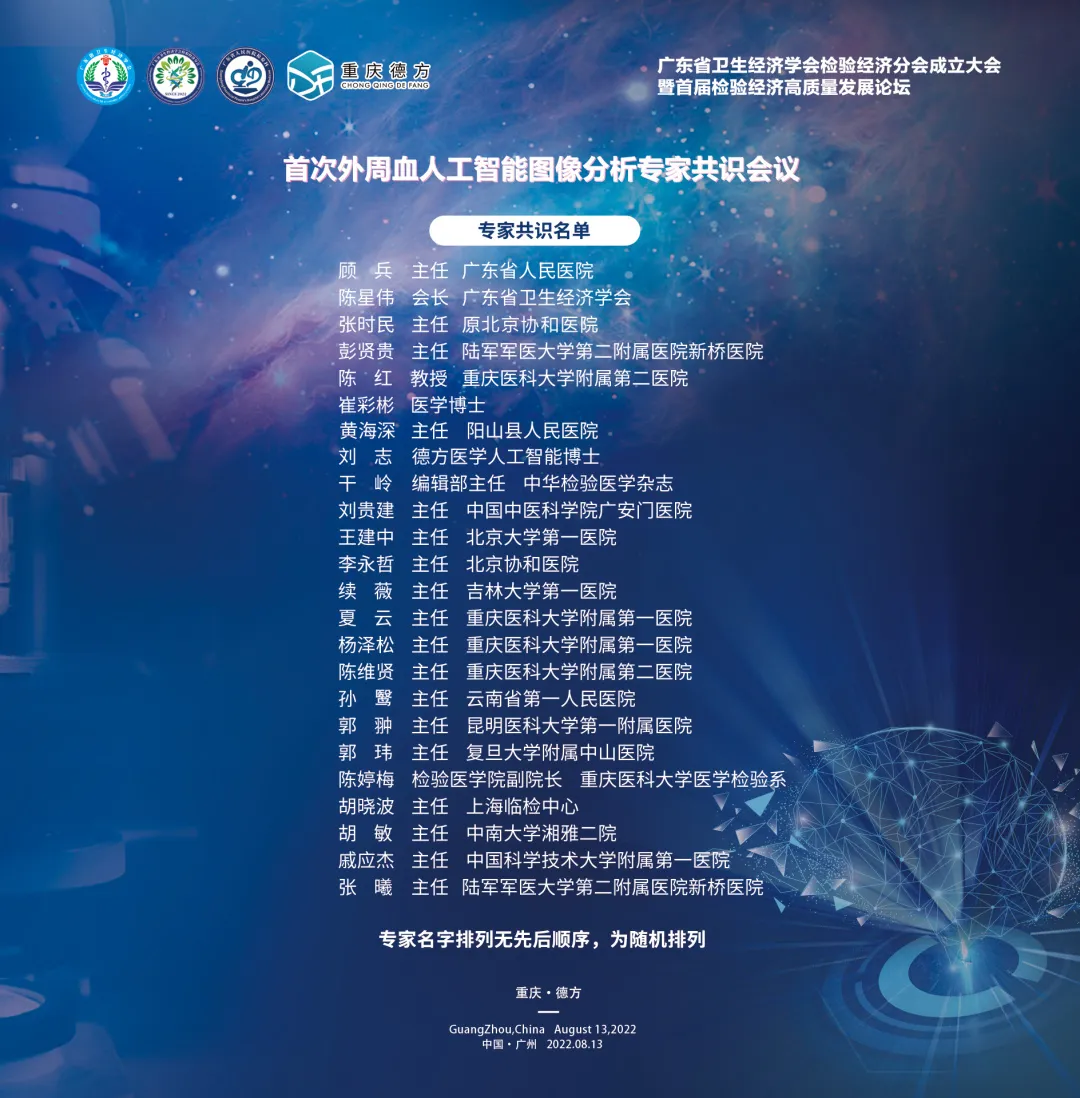
At the press conference site Many authoritative experts from across the country have been invited, including Director Gu Bing from Guangdong Provincial People's Hospital, former Director Zhang Shimin from Peking Union Medical College Hospital, President Chen Xingwei of Guangdong Health Economics Society, Director Peng Xiangui from Xinqiao Hospital of the Second Affiliated Hospital of Army Medical University, and Professor Chen Hong from the Second Affiliated Hospital of Chongqing Medical University Medical Doctor Cui Caibin, Director Huang Haishen of Yangshan County People's Hospital and others jointly witnessed the release and debut of the German peripheral blood image analysis system (DF-XX100S Huke).
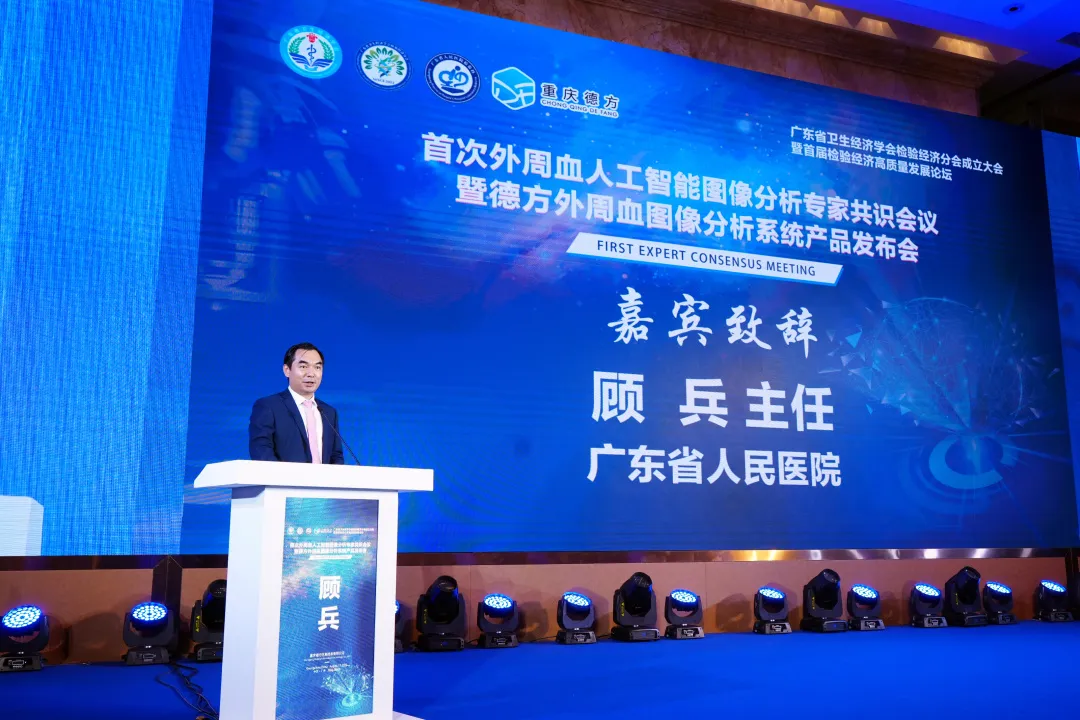
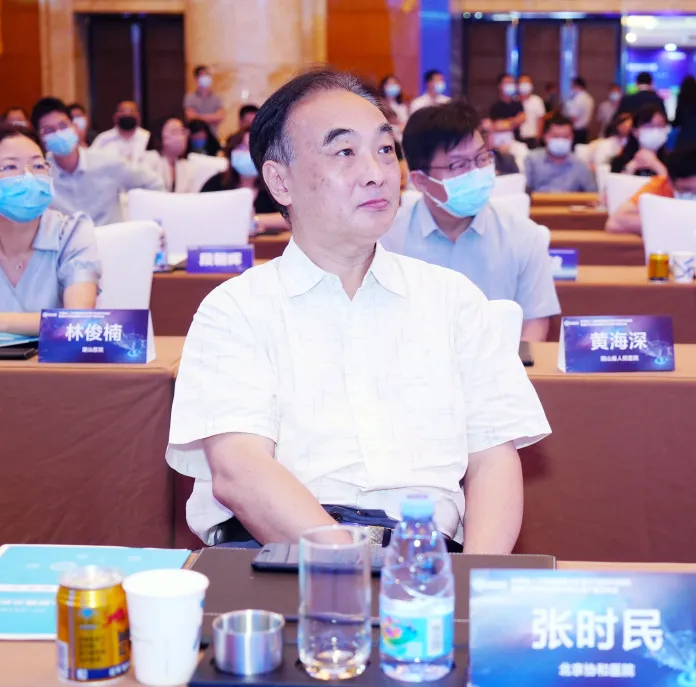
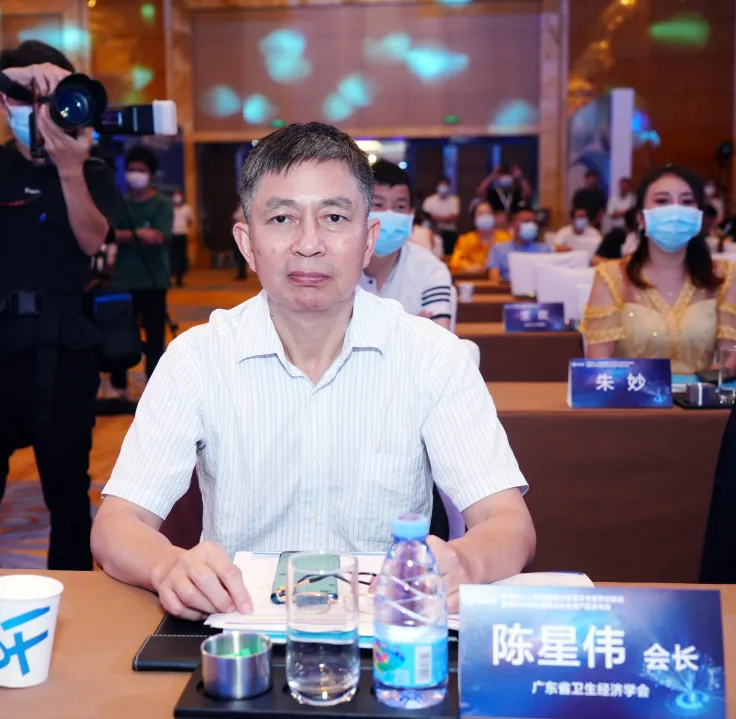
At the same time, the first expert consensus meeting on peripheral blood artificial intelligence image analysis organized by Chongqing De Fang was held. More than twenty senior laboratory experts both online and offline engaged in a series of discussions on the theme of the limitations of traditional morphological examination methods and the application of artificial intelligence in peripheral blood morphological examination.
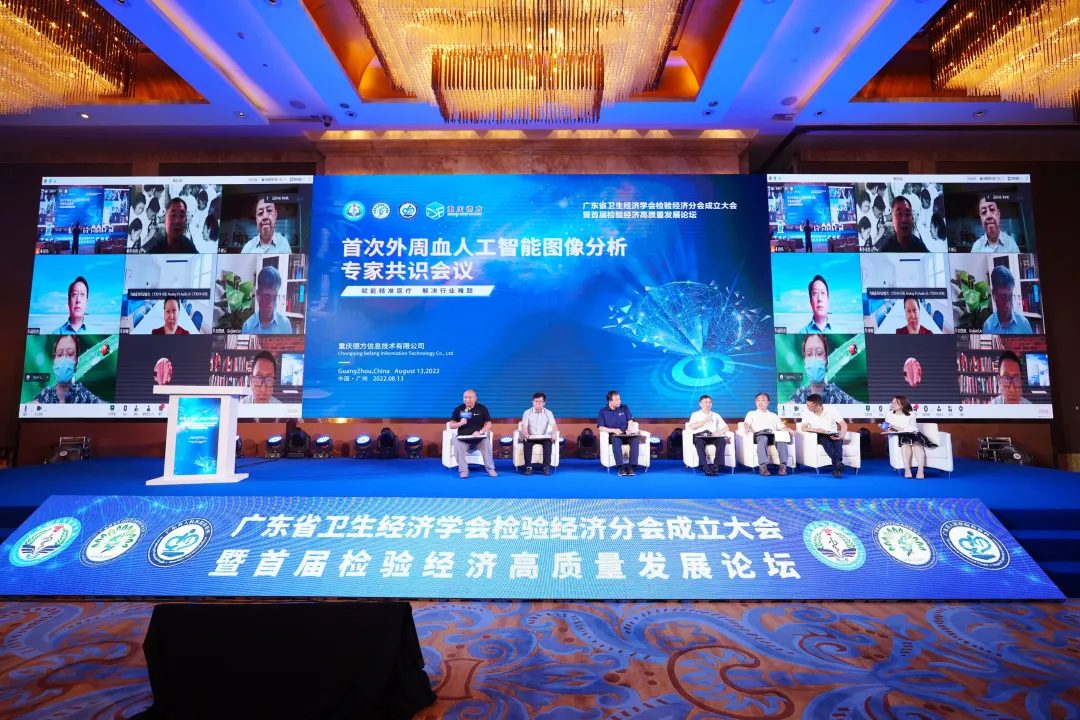
Due to the time-consuming and labor-intensive nature of traditional manual microscopic examination methods, as well as the high experience requirements for laboratory personnel, peripheral blood morphology microscopic examination has become a weak item in clinical laboratory tests in hospitals at all levels. By applying artificial intelligence with deep learning capabilities and intelligent operation capabilities to peripheral blood morphological examination, it can effectively solve the current predicament of morphological examination, assist in precise clinical diagnosis, and promote the vigorous development of the clinical examination field.
The discussion atmosphere among the experts inside the venue was lively and enthusiastic. Outside the venue, the display stand of the German peripheral blood image analysis system was crowded with people, attracting many professionals in laboratory morphology to come for consultation and understanding.
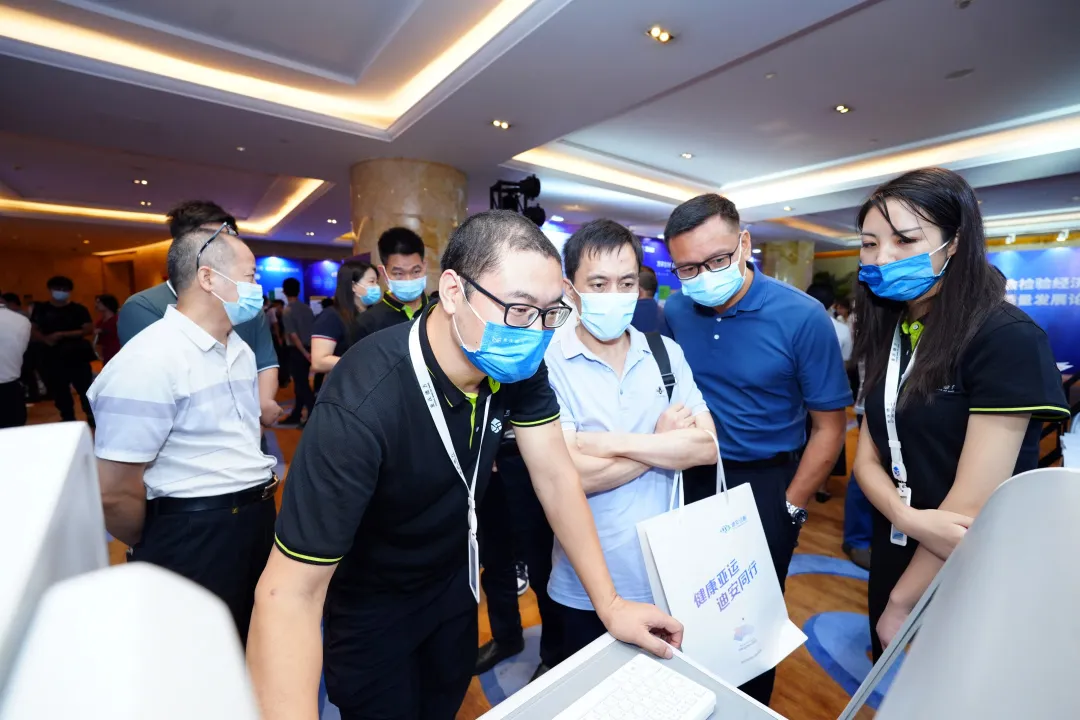
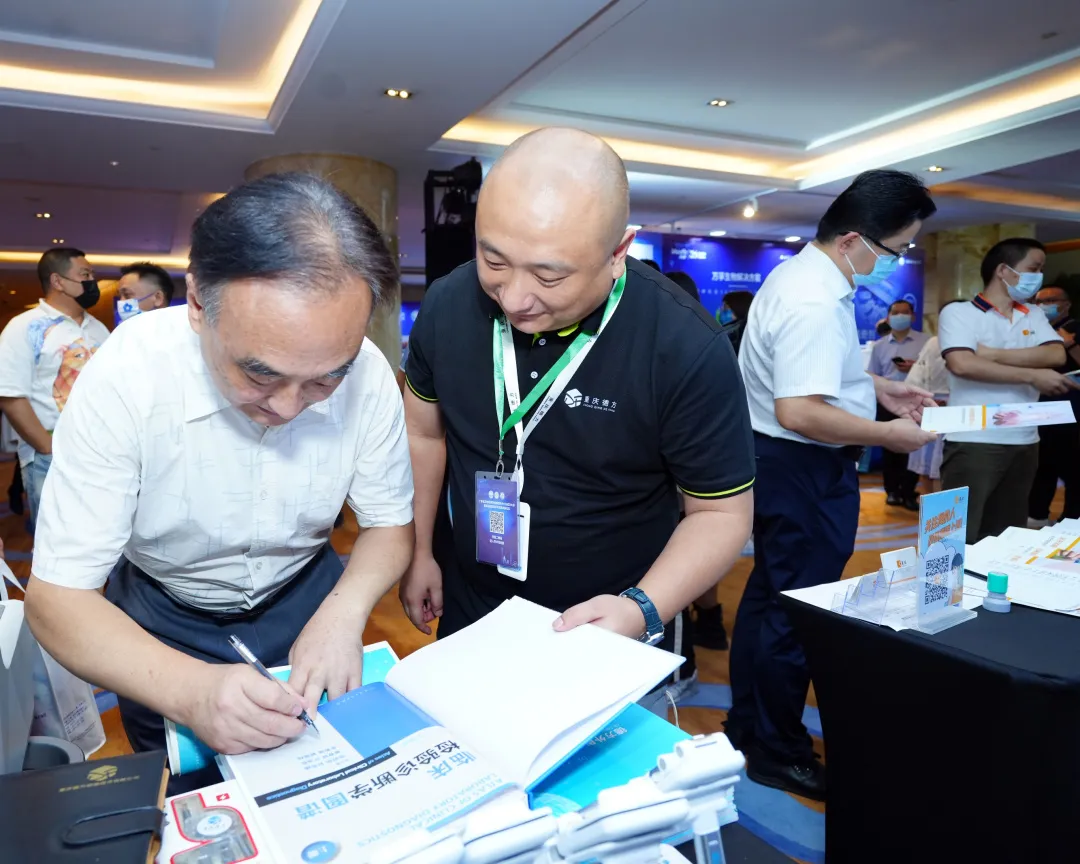
After the meeting, many experts came to the booth one after another to check out the peripheral blood image analysis system of Chongqing Defang. They highly praised the functions and practicality of the system, saying that morphological clinical tests exactly need such an excellent "assistant". The peripheral blood image analysis system of Defang uses artificial intelligence for rapid and accurate calculation and recognition, as well as simple and efficient operation steps. The system also has an online remote consultation function to assist clinical laboratory personnel in handling complex microscopic examination work, helping grassroots hospitals improve their testing capabilities. Experts say that such a powerful system is very suitable for the overburdened working characteristics of the current laboratory department.
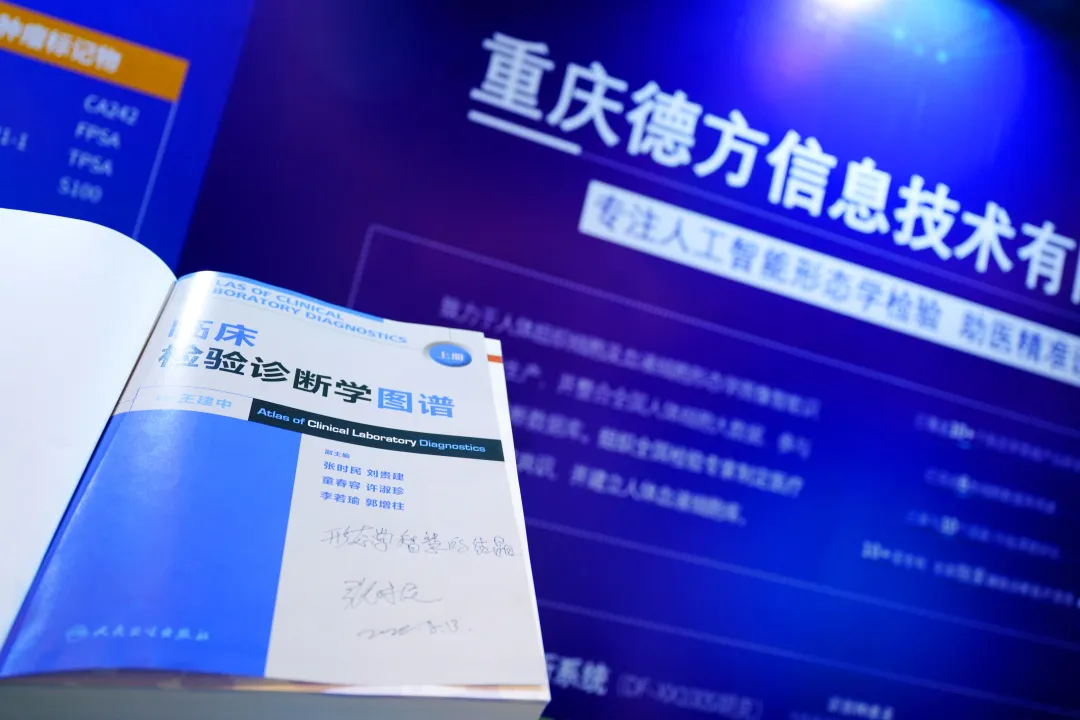
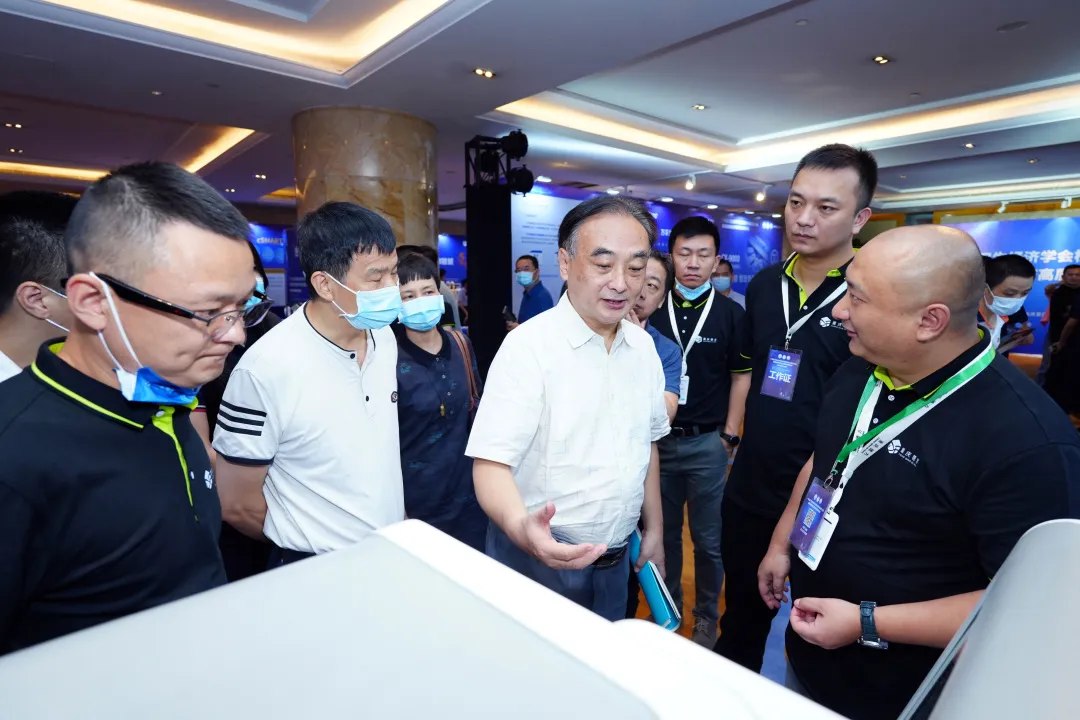
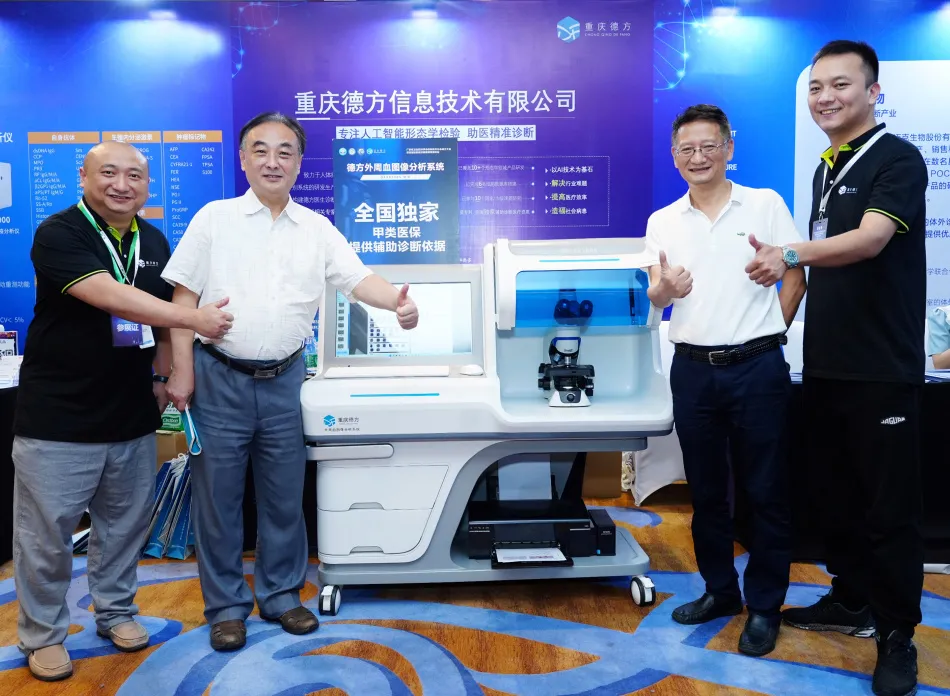
What is the German peripheral blood image analysis system?
The DF-XX100S Hooke peripheral Blood Image Analysis System from Germany is an innovative clinical testing device for intelligent recognition of blood cell morphology. It adopts microscopic cell image acquisition and artificial intelligence recognition technology for cell image morphology, capable of collecting 49 types of abnormal blood cells (including white blood cells, red blood cells, and platelets) for classification and counting, and providing diagnostic reference conclusions. Provide auxiliary diagnostic basis for hematological diseases.
Led by authoritative clinical experts in hematology and medical laboratory experts, and jointly developed by mid-to-senior level laboratory physicians and experts in artificial intelligence image recognition algorithms, it is a "good helper" for peripheral blood re-examination and blood cell morphology diagnosis.
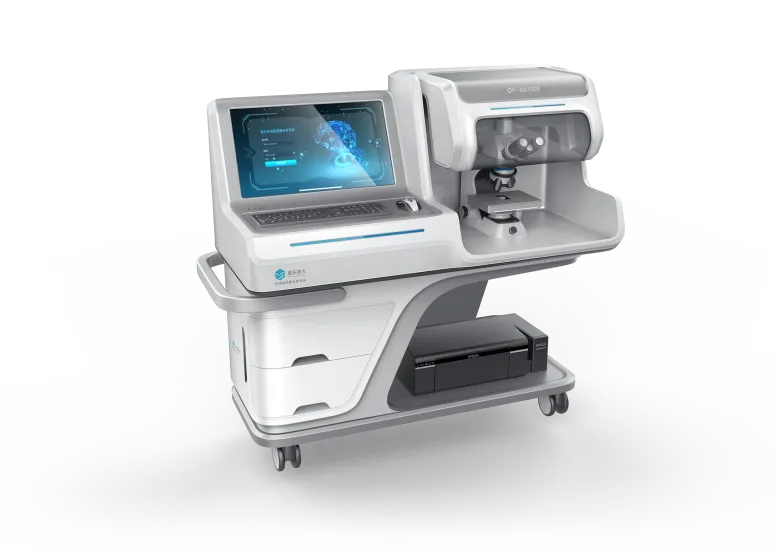
This system adopts advanced CNN artificial intelligence image processing technology and is equipped with its own independent DPU image processor. It can recognize up to 49 types of cells, with an image recognition speed of only 0.01 seconds and an average recognition accuracy rate of mAP exceeding 90%, which improves the detection efficiency. Additionally, through the system, it can be interconnected with higher-level hospitals to achieve real-time consultation among experts from multiple hospitals. Assistance from higher-level and lower-level hospitals.
Meanwhile, the German peripheral blood image analysis system also features functions such as image acquisition, cell segmentation, cell recognition, automatic classification and counting, and automatic generation of graphic and text report forms. These features help reduce the labor intensity of laboratory personnel, while enhancing work efficiency and accuracy. It is an auxiliary tool for microscopic diagnosis. The launch of the German peripheral blood image analysis system undoubtedly resolves the predicament of clinical morphological examination, enhances the diagnostic and testing capabilities of grassroots hospitals, and brings tangible economic and social benefits to grassroots hospitals. Keeping patients at the grassroots level to alleviate the pressure on higher-level hospitals for seeking medical treatment is in line with the national regulations and policy directions of hierarchical medical treatment.
Get information about the German side
Chongqing Defang Information Technology Co., Ltd. specializes in artificial intelligence morphological examination to assist medical precision diagnosis. It is committed to the research and development and production of more than 10 intelligent recognition systems for morphological images of human tissue cells and blood cells (such as vaginal discharge, peripheral blood, cervical cancer, prostate, pathology, etc.), and integrates national human cell big data to participate in the construction of the Defang Doctor diagnosis database. Ai-assisted disease diagnosis improves medical standards.