
- The report meeting on the selection of the German peripheral blood image analysis system for the Ministry of Industry and Information Technology's "Challenge and Response" project was successfully held
- Chongqing Defang 2024-06-03 11:55
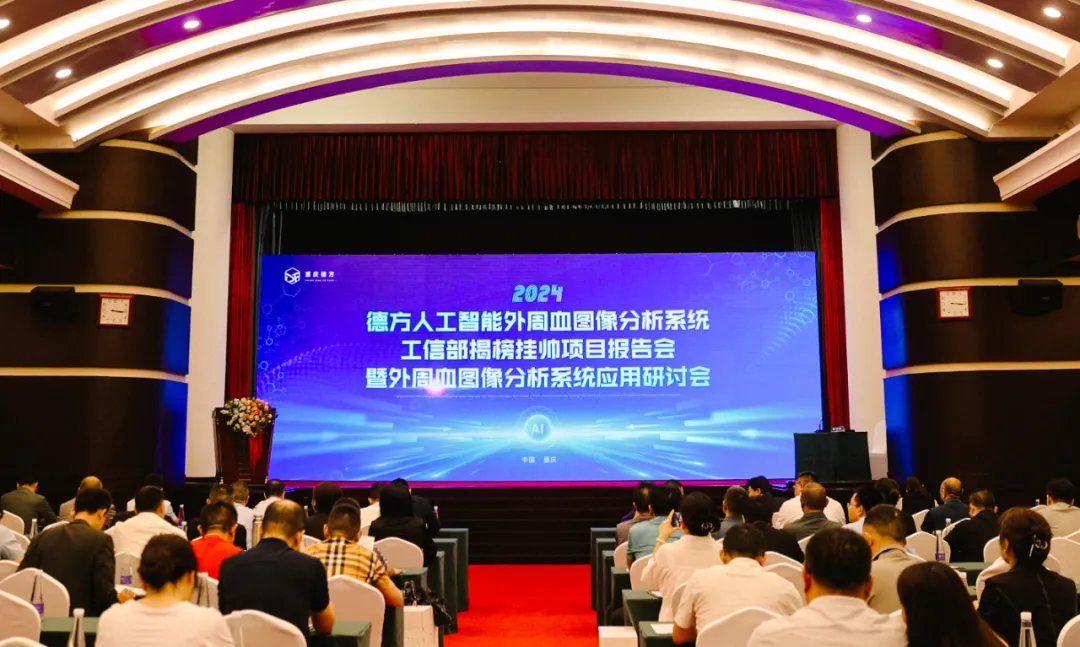
On June 2, 2024, the project report meeting of the German artificial intelligence peripheral blood image analysis System under the Ministry of Industry and Information Technology's "Challenge and Response" program and the application seminar of the peripheral blood image analysis system were successfully held at the Yuzhou Hotel. During the conference, experts in blood disease research from the entire military, clinical laboratory experts from large general hospitals and specialized hospitals, as well as representatives from clinical laboratories of grassroots hospitals in Chongqing participated. They shared the application and development prospects of the artificial intelligence peripheral blood image analysis system in clinical blood cell morphology examination. Over a hundred colleagues from the medical field attended this conference.
Li Chunlin, the chairman of Chongqing Defang Information Technology Co., LTD., delivered the opening speech of the conference, extending a warm welcome and sincere gratitude to all the experts and colleagues who attended the conference despite their busy schedules. The project that has been listed in the Ministry of Industry and Information Technology's "Challenge and Response" program this time is a new generation of artificial intelligence peripheral blood image analysis system jointly developed and manufactured by the company over a period of five years, using AI technology in collaboration with the blood centers of the entire military and authoritative laboratory medicine experts. This product can directly provide auxiliary diagnostic basis for clinical practice and assist in clinical testing in grassroots hospitals." Chairman Li expressed his hope to engage in exchanges and learning with academic experts and colleagues in the medical field, and to cultivate extensive cooperation. At the same time, we will continue to accelerate the pace of research and development to further enhance the diagnostic level of blood system diseases and contribute more to the construction of smart healthcare.
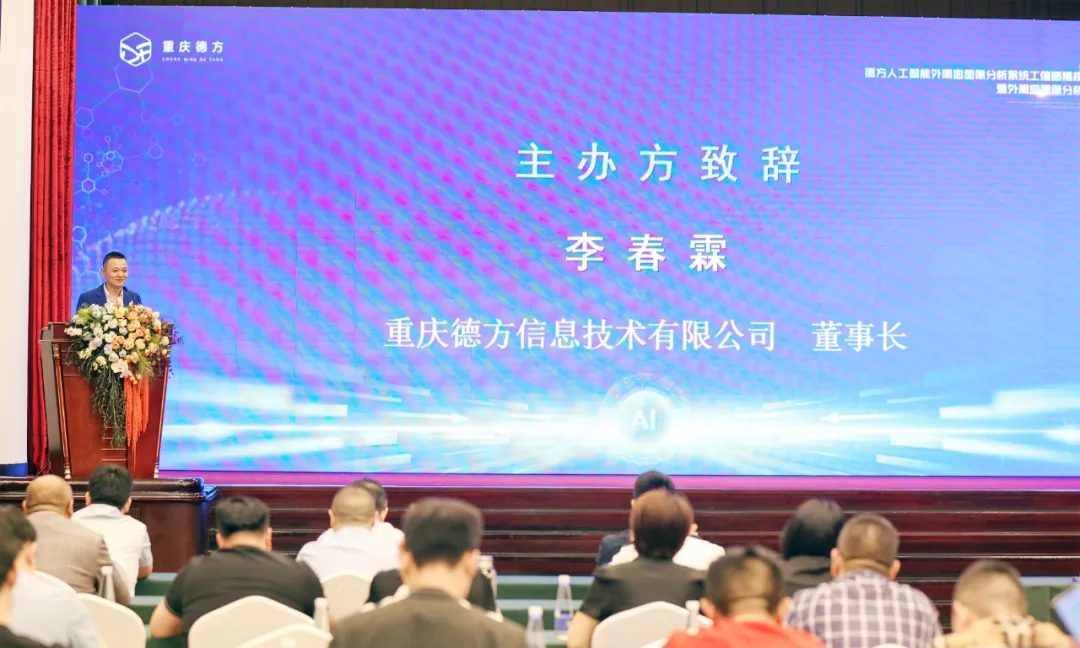
Li Chunlin, the chairman of Chongqing Defang Information Technology Co., LTD
Director Peng Xiangui from Xinqiao Hospital of the Second Affiliated Hospital of Army Medical University presented the project report on the "Challenge and Response" of the artificial intelligence peripheral blood image analysis system. He mentioned that the successful listing of the "German Artificial Intelligence Peripheral Blood Image Analysis System" not only represents the use of artificial intelligence to replace the heavy physical labor in peripheral blood morphology clinical tests, liberating human resources, Moreover, by taking a dual approach of core technologies and intellectual property rights, a technological foundation is laid to empower precision medicine. It also aims to create high-quality medical services that are accessible and shared in both urban and rural areas, achieving a medical platform featuring information sharing, integrated services, and unified supervision.
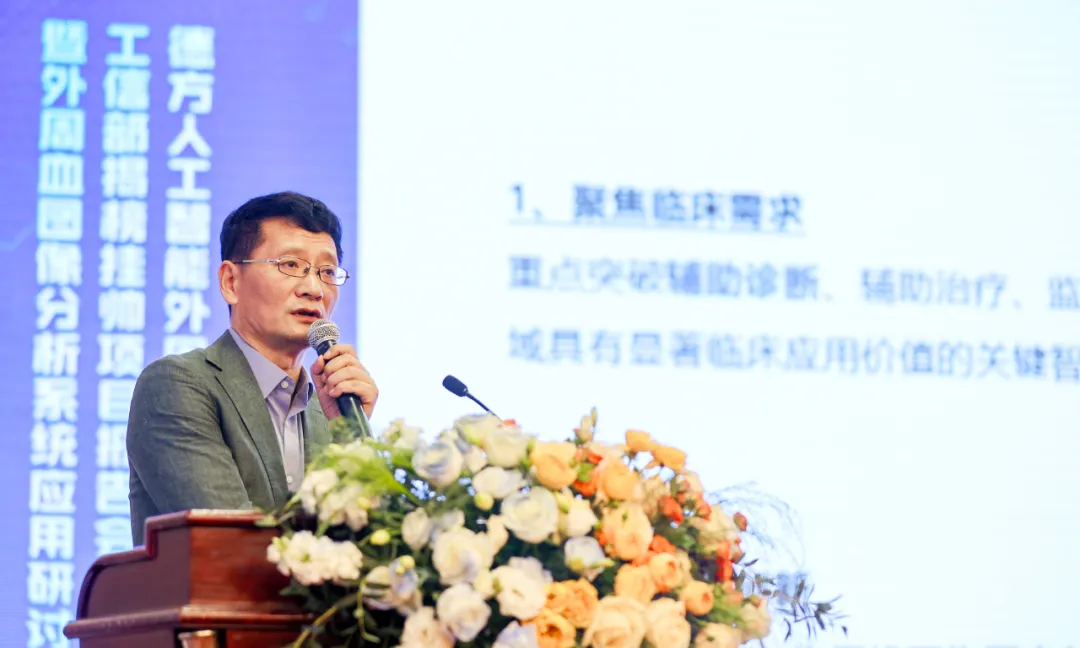
Director Peng Xiangui of Xinqiao Hospital, the Second Affiliated Hospital of Army Medical University
In the field of artificial intelligence, which is a key area of national cultivation for innovative applications, "AI+ medical diagnosis" will become a new track. There is an urgent need in clinical practice to carry out research and development of intelligent blood cell recognition technology and products. When discussing the industry-university-research achievements of artificial intelligence-assisted diagnosis of blood system diseases, Director Zhang Xi of Xinqiao Hospital, the Second Affiliated Hospital of Army Medical University, said, "The artificial intelligence peripheral blood image analysis system has taken the lead in realizing the clinical diagnosis report model of 'precise and intelligent disease diagnosis', filling this gap and improving the efficiency and ability of clinical diagnosis." At the same time, he also pointed out that artificial intelligence-assisted diagnosis is the future development direction of peripheral blood/bone marrow morphology examination, which requires multi-party collaboration between hospitals and enterprises to achieve close collaborative innovation in "industry-university-research-application".
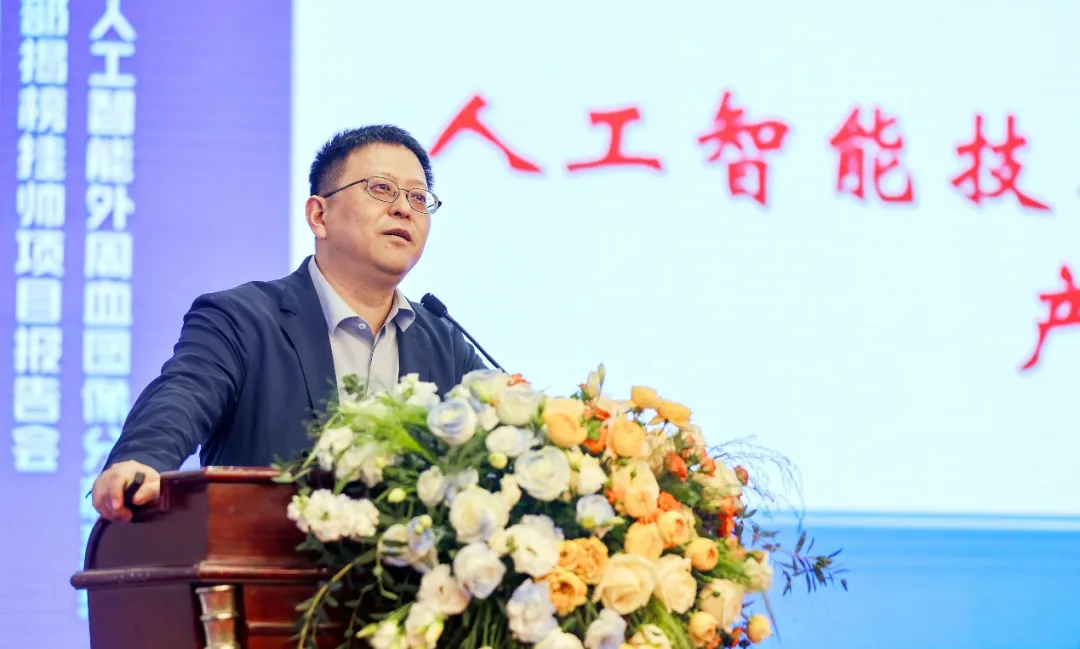
Director Zhang Xi of Xinqiao Hospital, the Second Affiliated Hospital of Army Medical University
At the meeting, experts from the laboratory departments of large general hospitals, starting from clinical practice, explained in simple and understandable language the application of the artificial intelligence peripheral blood image analysis system in the laboratory tests of large general hospitals, and pointed out the value of peripheral blood cytology reports in the diagnosis of blood system diseases. It also pointed out the current problem of insufficient reserves of personnel and technical capabilities related to morphological examination in the laboratory department. Many diseases could have been examined in primary hospitals, but due to these deficiencies, patients flock to large hospitals, causing top-tier hospitals to face a huge number of tests and diagnoses every day. Overloading is a common problem for the laboratory departments of every large hospital. I believe that the artificial intelligence peripheral blood image analysis system can effectively solve this problem. Meanwhile, for most blood diseases, many secondary hospitals lack the ability to detect them, and the technicians in secondary hospitals have relatively insufficient experience in morphological recognition. When encountering diseases that are difficult to identify, they usually ignore them. The recognition of blood cell images through artificial intelligence can enhance the ability of laboratory personnel to make preliminary screening and diagnosis of certain diseases, and improve the diagnostic efficiency of grassroots laboratory departments.
Director Wang Yueming from Chongqing Peking University Sunshine Hospital gave a wonderful lecture and shared the application of the artificial intelligence peripheral blood image analysis system in the laboratory tests of grassroots hospitals with the participants, based on the actual clinical needs of the majority of grassroots laboratory workers and typical cases. It also truthfully shared the problems faced by the laboratory departments of grassroots hospitals: insufficient knowledge reserves and experience, and inadequate expert guidance and clinical communication. The problem of a small number of professionals and scarce expert resources. The emergence of the artificial intelligence peripheral blood image analysis system not only solves the problem of incomprehension and inaccuracy at the grassroots level, but also improves the clinical diagnostic level and promotes the development of the clinical laboratory specialty.
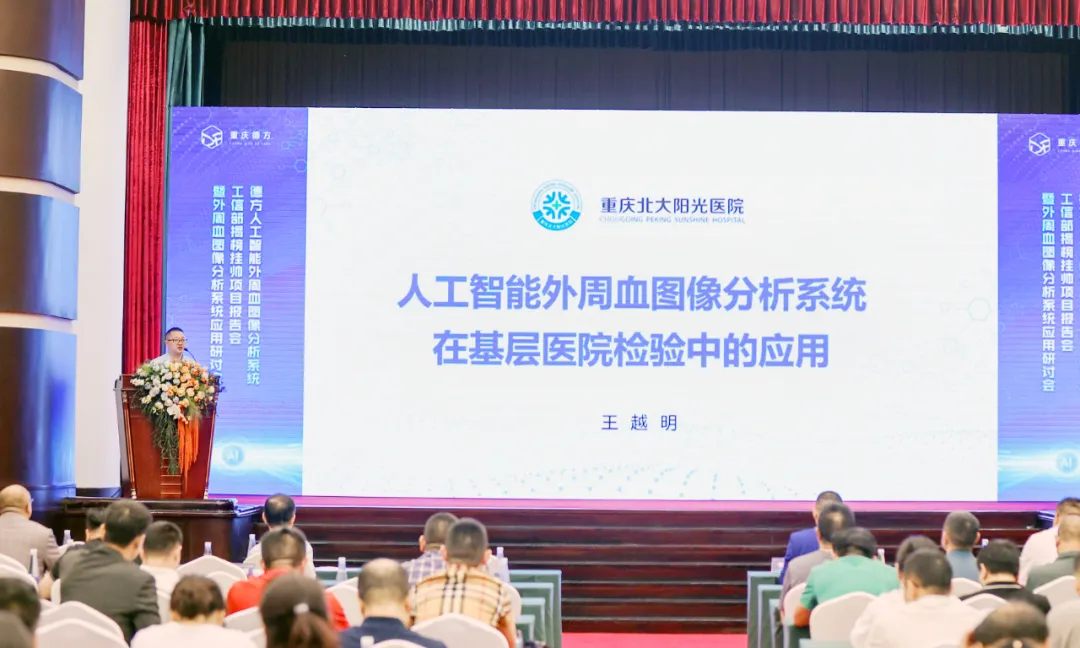
Director Wang Yueming of Chongqing Peking University Sunshine Hospital
Finally, Liu Zhi, co-founder of Chongqing Defang Information Technology Co., LTD., proposed a product solution for the peripheral blood image analysis system, which can effectively solve the problems of difficult recognition, inaccurate recognition and inconsistent standards in clinical blood cell morphology examination. With the support of artificial intelligence, the upgraded auxiliary diagnosis of counting is achieved. It not only features fast recognition speed and high accuracy, but also meets the requirements of expert consensus, providing positive, compliant, suspected and excluded test and diagnostic opinions. Moreover, it can enhance the professional capabilities of grassroots laboratory doctors, enabling leading hospitals to fully play their leading role in regional assistance, develop jointly and improve the level of grassroots medical care.
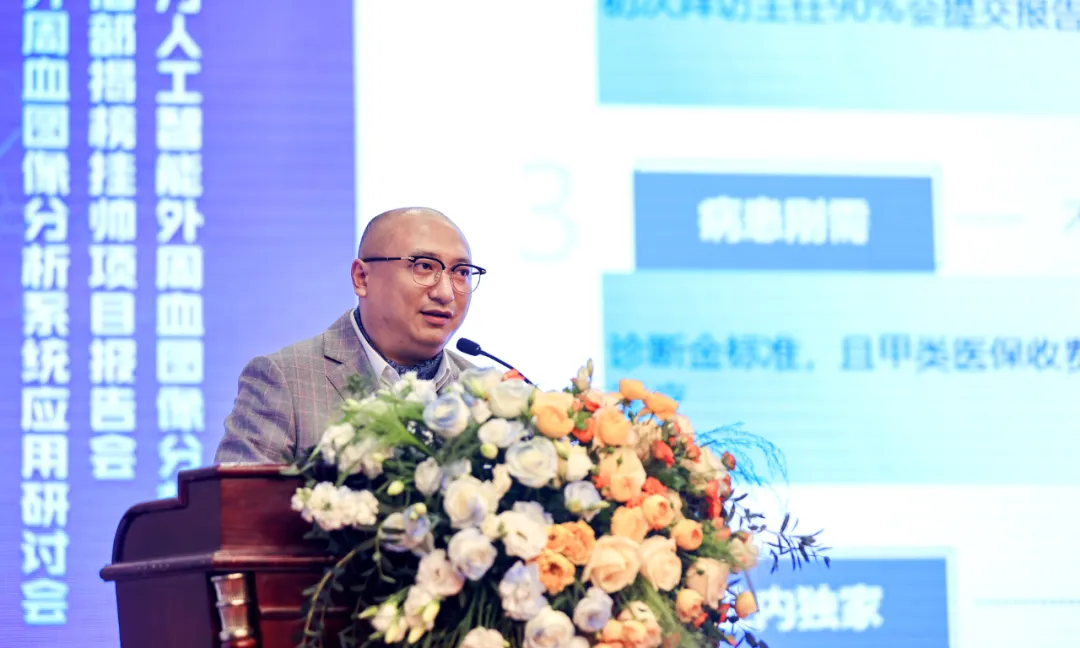
Liu Zhi, co-founder of Chongqing Defang Information Technology Co., LTD
This conference covered both the cutting-edge of medicine and the practical aspects at the grassroots level. The direct discussions, interactions and exchanges not only enabled the colleagues from grassroots medical institutions to acquire more academic knowledge, but also clarified the development direction of artificial intelligence in peripheral blood cell morphology examination, providing impetus for the automation of clinical blood tests.
Defang Information will actively respond to the call of the "14th Five-Year Plan" for the development of the medical equipment industry. Relying on its experienced professional technical team, it will take the automation of morphological examination technology as the core driving force to meet the application needs of early, rapid, convenient and accurate diagnosis of medical institutions at different levels, and continuously accelerate technological innovation to promote the development of the clinical examination industry. Meanwhile, the German side will also actively build a bridge for cooperation among industry, academia and research, reach strategic cooperation with major hospitals and medical institutions, jointly build a hierarchical diagnosis center and a cell database, and contribute its own strength to helping medical institutions improve the "Internet + medical health" service system.